
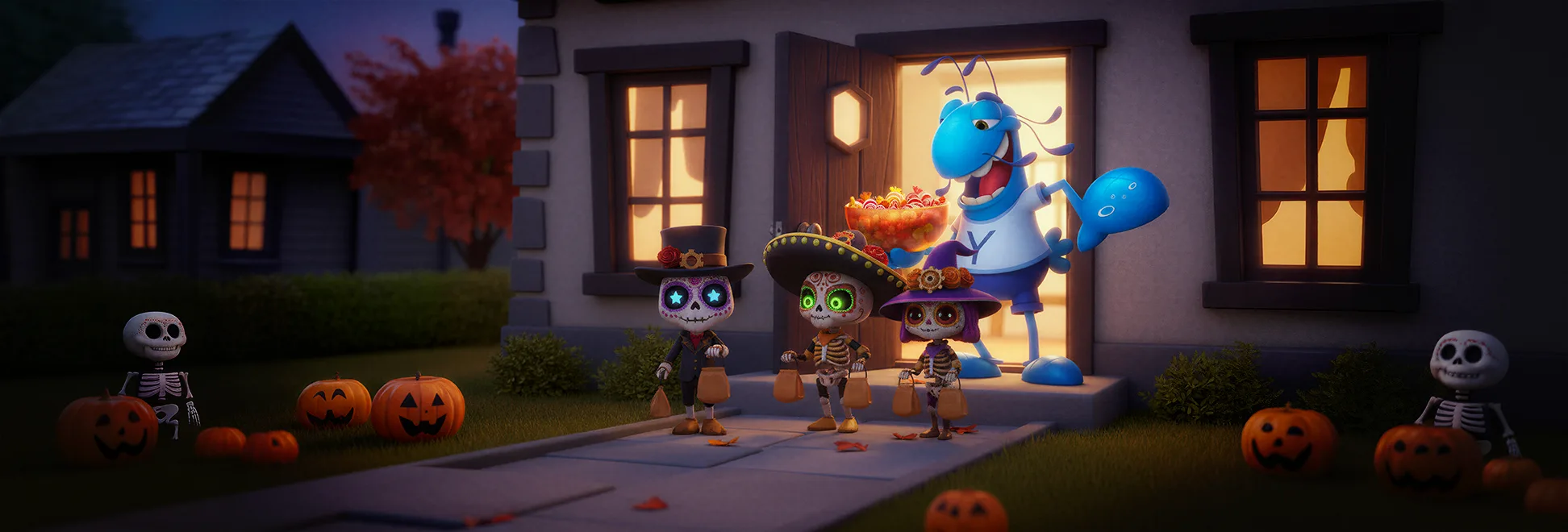
Every year, on the last night of October, the world wears its finest ghosts and glitter, flickering pumpkins, and bowls overflow with candy. Halloween has turned into a party night for costume-wearing, haunted houses, and sugar highs. Behind it all, however is a history that is much older and much more magical than you would think.
Into Fires of Celts and Candy Bowls
Halloween’s roots go back over 2,000 years to an ancient Celtic festival, called Samhain (pronounced sow-in). It signified the end of harvest season, leading into winter, a time when people believed the boundary between the worlds of the living and the dead grew very thin. The Celts built bonfires, dressed in animal skin disguises to ward off spirits, and left offerings for the souls who visited.
As Christianity spread around Europe, Samhain eventually became blended together with All Saints’ Day and All Souls’ Day, the resulting blended holiday known today as “All Hallows’ Eve,” later shortened to Halloween.
The Tale of the Turnip
Before pumpkins flooded porches, people carved Jack-o’-lanterns out of turnips in Ireland and Scotland. A legend says “Stingy Jack” was a mischievous man who tricked the Devil and was doomed to wander the earth with only a burning coal moving light from a hollowed-out turnip. The bunch of immigrants brought the tradition to America – but when they found pumpkins, they were like, wow, so much easier!
Trick-or-Treat: Ancient and Harking-back Sweetness
Trick-or-treating may seem modern, but it has roots centuries old. In the medieval age, people went “souling,” and children and the poor would visit houses on the day of All Souls to pray for the dead in exchange for “soul cakes.” Thereafter, the Scots and Irish carried on as “guising,” dressing up in costumes and performing tricks for food or cash.
By the 1920s and 30s, the practice had evolved into what we know today as trick or treat at doors—prayers mostly jettisoned, with candy still present.
Black Cats Became “Evil”
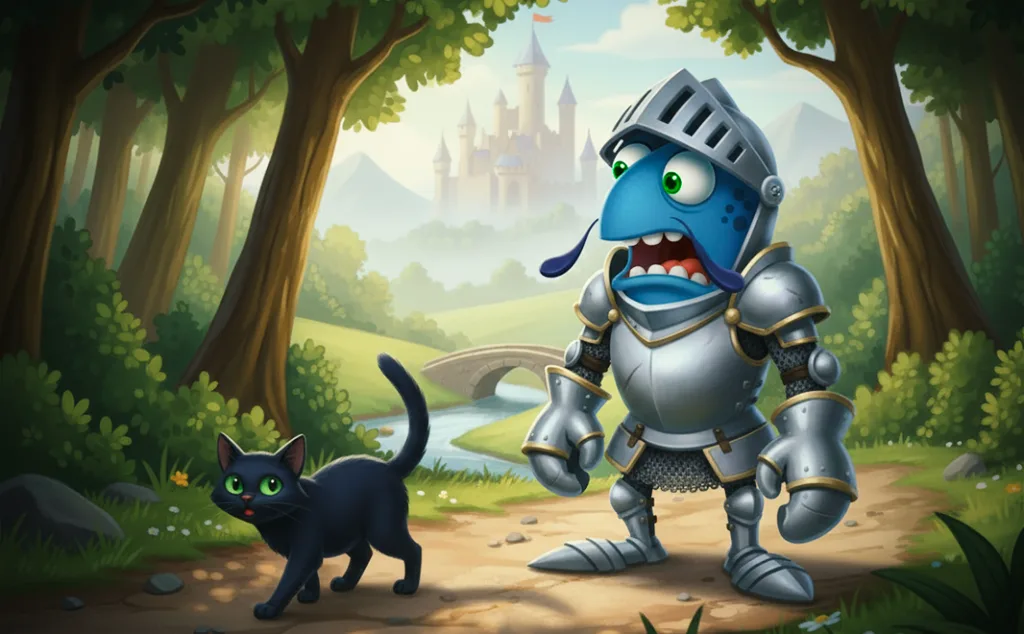
In ancient times cats were associated with deities such as the Norse Goddess Freyja. She had her chariot pulled by felines. Then when Christianity came anything related to the pagan gods was soon demonized. In the late Middle Ages cats were associated with witches and witchcraft, especially black cats. It was thought that cats were their familiars which meant that they would aid them in their black magic. The belief was also that witches could shapeshift into a black cat. From then on, seeing one crossing your path was a sign of bad luck.
More than Candy: One Billion Dollar Bonanza
Halloween currently ranks as the second biggest commercial holiday in the United States, right after Christmas. Americans proudly spend $10 billion every year to buy costumes, candies, ornaments, or to organize parties. Surprisingly, pet costumes take up a huge chunk of that expenditure, just another proof that Fido enjoys spooky season as well.
Love Spells, Apples, and Magic
Many old traditions in Halloween don’t have anything to do with ghosts, they were about love charms. In the 18th and 19th centuries, young women performed their Halloween “charms” to be able to see their intended husbands. For instance, they might peel an apple into one long strip and then toss it over their shoulder to reveal the first letter of their beloved’s name. There’s also the common practice of gazing into a mirror by candlelight, hoping to glimpse their future groom’s face. Sweet and spooky, right?
Día de los Muertos: Not the Same, but Just as Beautiful
Often confused within the Halloween bundle, Mexico’s Día de Muertos (Day of the Dead) stands out for its very different composition. Rather than keeping away spirits, it brings them into homes. Family members worship altars with marigolds, light, food, and photos before their departed loved ones. It’s not so much about fear as about life, memories, and connections.
Haunted Houses: Spooky with a Purpose
Haunted houses might seem like just another way to get your heart racing, but they actually began as a way to control Halloween mischief. Kids were celebrating this holiday in pranks and trouble by the 20th century. To keep the kids busy instead of making trouble, different communities created haunted attractions where they could spend that pleasure usefully.
Laws, Pumpkins, and Record-Breakers
Speaking of mischief, it is actually against the law in Belleville, Missouri, for anyone over the age of 13 to go out trick-or-treating. Apparently, far too many adults with pillowcases full of candy crossed that line.
And what of pumpkins? The undisputed stars of Halloween are what they have become. The world’s largest pumpkin was cultivated in Italy and weighed an astonishing 2,702 pounds in 2021. That’s heavier than a small car and would make one gigantic pie.
The Heart of Halloween
Yes it is Halloween, beautiful with costumes, candy, and cobwebs, but the sweetness and the sugar carry strong undercurrents of ancient beliefs, love stories, cultural traditions, and above all, a lot of community spirit. It’s a holiday that celebrates the spooky and the sweet, the living and the dead, the past and the present.
They say something like: every pumpkin tells a tale, every mask hides a grin, and every ghostly night starts with a flicker of fire, just like Samhain started out, all those centuries ago.