
James Howells isn’t just another name in the crypto world. He’s become something of a legend—and for reasons you couldn’t make up. An IT specialist from Newport, South Wales, Howells was an early Bitcoin miner. Back in 2009, the idea of Bitcoin was still niche. Sometimes geeky, often theoretical, but to some (like him), it was also possibility.
Over time, Howells mined (or acquired) something like 8,000 Bitcoins. That same stash of digital gold, stored on a simple external hard drive, seemed innocuous back then. The price per coin was low, the future uncertain. Fast-forward to later years, and that hard drive would become the center of one of the most notorious crypto headaches ever.
How It Got Lost—and Why It’s Probably Lost
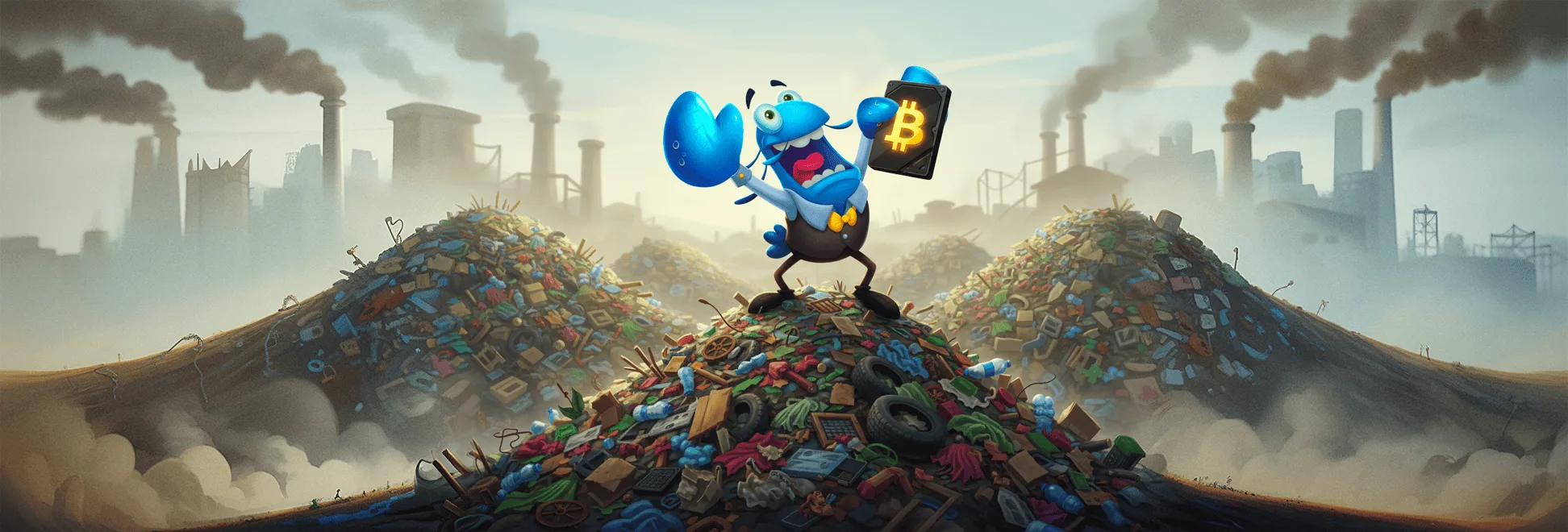
Here’s where the real heartbreak starts. In 2013, during a routine cleanup of his home office, Howells accidentally threw away the hard drive. It was mistakenly taken to a landfill in Newport called Docksway, where it ended up buried under tons of trash.
Later, his then-partner says she disposed of a number of old electronic items. Not even realizing this particular drive contained private keys—the cryptographic “passwords” that are needed to access the Bitcoin. Once those are gone, there’s no “forgot password lookup.” Without that drive (and those keys), the Bitcoins, for all practical purposes, are irretrievable.
Because it’s buried—deep, messy, mixed with waste, possibly corroded—recovering the physical drive is extremely difficult. Experts, even Howells, have admitted there’s a chance the drive is damaged beyond repair.
The Search (and Spending) over the Years
After realizing what he’d lost, Howells didn’t just let it go. Over the years he has:
- Made multiple requests and proposals to Newport City Council to gain permission to excavate part of the landfill.
- Offered to share a large chunk (some reports say 25–30%) of the recovery proceeds with the council or local community, as incentive.
- Developed technical recovery plans: tools like robotic systems, AI, drones, environmental safeguards. Budget estimates for serious excavation floated in the tens of millions of pounds. At one point, Howells was budgeting £5 million to attempt the retrieval; later plans rose to £10–11 million when more partners came in.
But each time the city council refused—or the courts blocked him—citing concerns like environmental damage, legal risk, health hazards, cost, and also that the chance of successfully finding the drive (much less recovering data from it) was low.
What It’s Worth—and What He Finally Decided
Here’s where things get painful. As Bitcoin’s value soared over the years, the lost 8,000 BTC transformed from a modest asset into an almost unimaginable fortune. As of mid-2025, that stash is estimated to be worth around $900 million (some reports say even close to $950 million) depending on market prices.
But in 2025, after 12 years of trying, legal challenges, technical proposals, emotional ups-and-downs, Howells finally ended his formal campaign to recover the hard drive. The court ruled that his case had “no realistic prospect of success.” He lost his lawsuit against the Newport City Council.
What We Can Learn—and What It Means
What strikes me most about this story is how much it reveals about digital ownership, risk, and the strange consequences of early adoption.
- Early adopters live with risk. When Howells mined those Bitcoins, the system was brand new—few people believed in its future, few people held that kind of value in crypto. Backup strategies, safe storage, knowing what you’re dealing with—all of that becomes critical—but often wasn’t emphasized in those early days.
- Regulatory, legal, environmental realities matter. Even with good proposals and funding, getting permission to dig a landfill is hard. Laws, safety, environmental protection, and property rights play a big role. They delayed or blocked almost every attempt.
- The emotional toll is real. It’s easy to speak in numbers, but imagine carrying around a missed fortune—every time the Bitcoin price climbs, every time there’s “what if” in financial news. The psychological cost adds up.
- Lessons for everyone holding digital assets now. This story is a strong warning to make backups, keep private keys safe, plan for contingencies, treat digital holdings like something very real.
Welcome Bonus
If you are new in these waters Mr. Yabby has the perfect gifts for you to explore! Grab your FREE Welcome Bonus and you can test out our games with a chance to get some winnings in the end! That’s right, it’s a chance for you to enjoy the reels without having to deposit first.
Here’s how it works:
- Get the code from the link above.
- Go to the Cashier menu and enter your code.
- Press redeem and you are ready to play!
The details of your bonus:
- Offer valid for new players only and can be claimed once per account.
- Maximum cashout: $50.
- Eligible games: non-progressive slots (777 excluded).
- Limited to one use per player, IP, and household.
- Standard terms and conditions apply.
The Final Chapter? Maybe
Though Howells has given up for now on legal efforts to dig up his lost treasure, this might not be the absolute end of the story. Markets change, laws evolve, technologies improve. There’s always a chance—albeit small—that one day the landfill could be accessed, or that someone might recover whatever remains of the physical drive (if it’s even readable). But realistically, for now, Howells seems to have accepted what many in his shoes must: that some mistakes simply can’t be reversed.
In a strange way, his loss reminds us of how fragile our digital lives can be—and how imperative it is to treat digital ownership with care, respect, and backup. Because you never know when something you toss might turn into a modern version of buried treasure.